Summary: MIG MAG welding machines have revolutionized the metal fabrication industry, providing precision, speed, and versatility for both professionals and hobbyists. This article explores how these machines operate, their advantages, essential maintenance tips, and how to choose the right model for your projects. By understanding these key factors, businesses and individuals can enhance productivity and achieve superior weld quality.
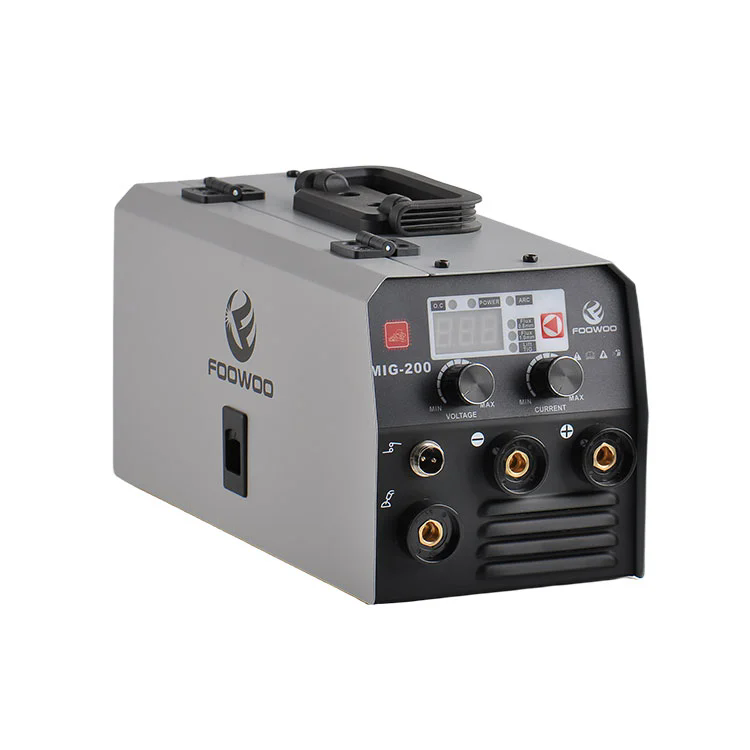
MIG (Metal Inert Gas) and MAG (Metal Active Gas) welding machines are widely used in industrial and DIY metalwork for their efficiency and high-quality welds. These machines employ continuous wire feeding and gas shielding to protect the weld area from contaminants. Whether for automotive, construction, or metal fabrication industries, MIG MAG welders offer unmatched speed and precision.
The core principle of MIG MAG welding involves feeding a wire electrode through a welding gun while a shielding gas surrounds the weld to prevent oxidation. Here's a step-by-step overview:
By automating wire feeding and maintaining consistent heat, MIG MAG machines reduce human error and increase welding speed.
| Benefit | Description |
|---|---|
| High Efficiency | Continuous wire feed reduces downtime and increases productivity. |
| Versatility | Capable of welding various metals such as steel, aluminum, and stainless steel. |
| Cleaner Welds | Shielding gas prevents contamination and oxidation, ensuring stronger welds. |
| Ease of Use | User-friendly controls make it suitable for beginners and professionals alike. |
There are several variations of MIG MAG welders, each suited for different applications:
When selecting a MIG MAG welder, consider these factors:
Proper maintenance ensures longevity and optimal performance of MIG MAG welding machines:
For high-quality MIG MAG welding machines and expert advice, Taizhou Huawo Industry and Technology Co., Ltd. offers a range of reliable solutions. Visit our product page or contact us today to find the perfect machine for your welding projects.