Abstract · This article provides a detailed technical examination of Home Use 120A MMA Welding Machines, exploring their design principles, electrical characteristics, and operational advantages for DIY enthusiasts and small workshop operators. The discussion covers inverter technology, duty cycle ratings, electrode compatibility, and the safety and portability features that make these machines suitable for home and light industrial applications.
01. MMA Welding Principle and Inverter Technology
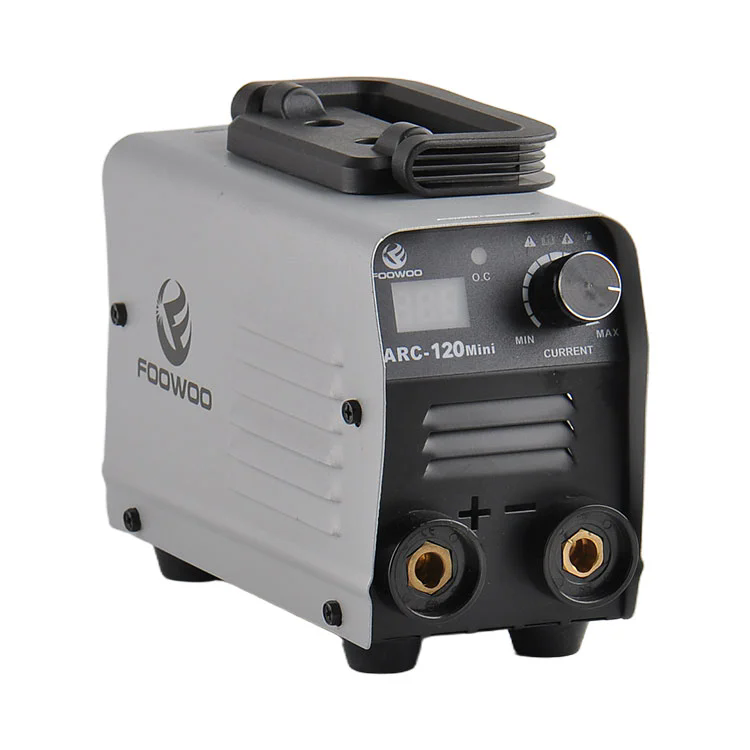
Home Use 120A MMA Welding Machines operate on the principle of Manual Metal Arc (MMA) welding, also known as stick welding. In this process, an electric arc is struck between a consumable electrode and the workpiece, generating the heat required to melt the base metal and form a weld.
Modern home-use MMA welders utilize inverter technology, which converts incoming AC power to DC and then back to high-frequency AC using power electronic components. This design offers significant advantages over traditional transformer-based welders, including reduced weight, improved energy efficiency, and greater control over the welding arc. The inverter circuit allows for precise adjustment of welding current, enabling the user to match the output to the electrode size and material thickness.
Manual Metal Arc (MMA / Stick)
Inverter-based power supply
Lightweight, efficient, and precise
02. Power Output and Duty Cycle Characteristics
Sufficient for welding steel up to 4mm thickness; ideal for DIY repairs and fabrication
Typically 60% at 120A, allowing continuous operation with intermittent rest periods
Stepless or stepped adjustment for precise control across the welding range
Standard 220V single-phase power supply for domestic use
The 120A output of these machines provides ample power for a wide range of home and workshop tasks, including repairing metal furniture, fabricating gates and railings, and general maintenance work. The duty cycle rating indicates the percentage of time the welder can operate at a given current over a 10-minute period. A 60% duty cycle at 120A means the machine can weld for 6 minutes out of every 10 at full power, with the remaining time used for cooling.
Duty Cycle Note: It is important to respect the duty cycle rating to prevent overheating and extend the life of the machine. If continuous welding is required, users should select a welder with a higher duty cycle rating or reduce the welding current to increase the duty cycle.
03. Electrode Compatibility and Material Capability
Home Use 120A MMA Welding Machines are compatible with a range of electrode types, allowing them to weld various metals. The most common electrodes for home use include:
- E6013: A general-purpose electrode suitable for mild steel. It provides a smooth arc, easy striking, and low spatter, making it ideal for beginners.
- E7018: A low-hydrogen electrode that produces high-quality welds with good impact strength. It requires more skill to use and is suitable for structural applications.
- E6011: An all-position electrode that can be used on dirty or rusty steel. It has a deep penetrating arc and is well-suited for repair work.
- Stainless Steel Electrodes: For welding stainless steel, such as in food processing equipment or marine applications.
The electrode diameter determines the welding current required. For a 120A machine, typical electrode sizes range from 1.6mm to 3.2mm. Larger electrodes require higher current, so the 120A output is best suited to smaller diameter electrodes. The machine can weld mild steel, stainless steel, and cast iron, depending on the electrode selected.
04. Portability and Power Supply Considerations
One of the primary advantages of home use MMA welding machines is their portability. Inverter-based designs are significantly lighter and more compact than traditional transformer welders, making them easy to transport and store.
- Weight: Typically 3 kg to 6 kg, enabling easy movement between work locations.
- Dimensions: Compact footprint suitable for use on a workbench or in a small workshop.
- Power Supply: Standard 220V single-phase power, available in most homes and small workshops.
- Extension Cords: Use heavy-duty extension cords rated for the welder's current draw to prevent voltage drop and overheating.
- Generator Compatibility: Some models can be powered by a generator, providing welding capability in remote locations.
The portability of these machines makes them ideal for DIY enthusiasts who may need to work in different locations or store the welder when not in use. The standard 220V power supply requirement means that no special electrical installation is needed in most cases.
05. Safety Features and User Protection
Home Use 120A MMA Welding Machines incorporate a range of safety features to protect the user and the equipment during operation.
- Thermal Overload Protection: Automatically shuts down the machine if it exceeds a safe operating temperature, preventing damage to internal components.
- Overvoltage and Undervoltage Protection: Protects the machine from damage caused by fluctuations in the power supply.
- Overcurrent Protection: Prevents excessive current draw that could damage the machine or create a fire hazard.
- Insulated Electrode Holder and Ground Clamp: Provides a safe, secure connection for the welding cables.
- Fan Cooling: Maintains a safe internal temperature during operation, ensuring reliable performance.
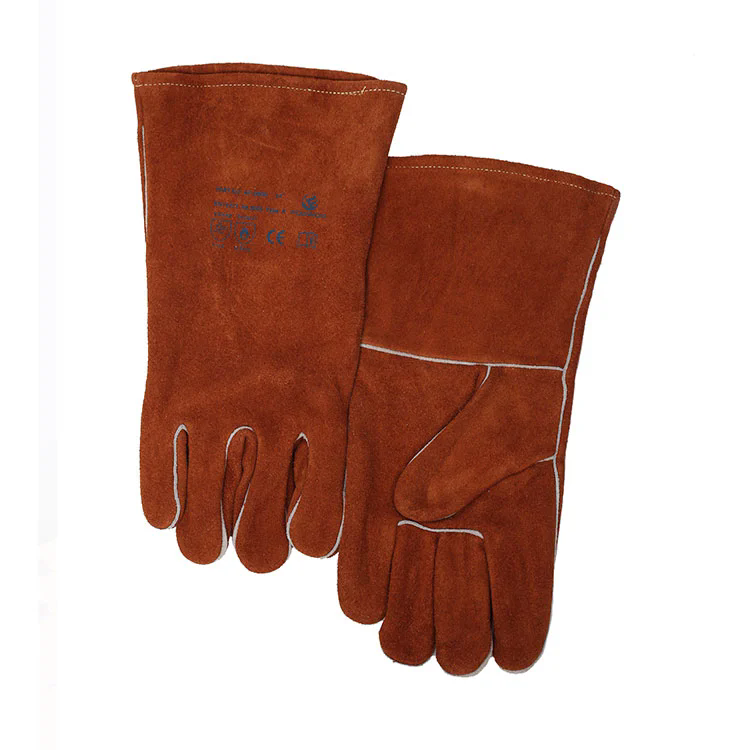
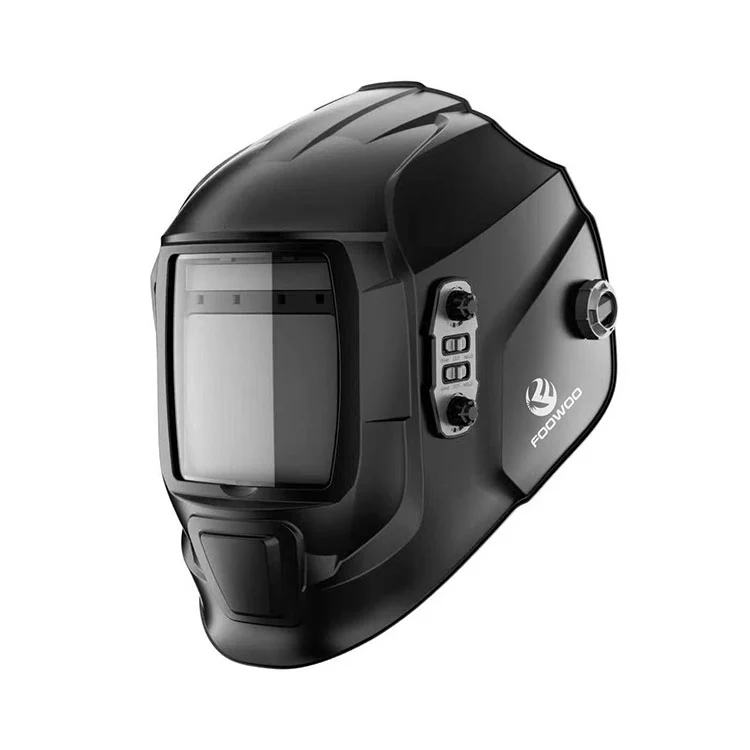
In addition to the built-in safety features, users should always wear appropriate personal protective equipment (PPE), including a welding helmet, gloves, and fire-resistant clothing. The work area should be well-ventilated and free from flammable materials.
06. Applications for Home and Small Workshop Use
The versatility and ease of use of 120A MMA welding machines make them suitable for a wide range of applications in and around the home.
- DIY Repairs: Fixing metal furniture, gates, fences, and garden tools.
- Automotive Repairs: Welding exhaust systems, chassis components, and body panels.
- Fabrication Projects: Building custom brackets, stands, and frames for home or workshop use.
- Art and Sculpture: Creating metal art pieces and decorative items.
- Maintenance Work: Repairing farm equipment, trailers, and other metal structures.
The 120A output is sufficient for most light to medium-duty welding tasks, while the portability and ease of use make these machines accessible to users with limited welding experience.
Frequently Asked Questions
Technical specifications and capabilities may vary by model. Always consult the manufacturer's documentation for your specific application requirements.